
How to Build a Range Bag: The Complete Gear Checklist for Every Shooter
A complete range bag setup that keeps your gear organized, your rifle protected, and your range time focused on what matters — shooting.

In This Dispatch
Every range trip starts the same way — you grab your rifle, a box of ammo, and head out the door. Then you get to the range and realize you left your eye pro in the car, the bore snake is still on the kitchen counter, and you have no idea where you put the targets. That's not a range day. That's a frustrating walk back to the truck every twenty minutes.
A properly built range bag solves all of that. It keeps your gear organized, protects your equipment during transport, and makes sure you spend your time shooting instead of scrambling. Whether you're running your first-ever range session or you're a competitive shooter who goes through hundreds of rounds per session, the principle is the same: build the bag right once, and the setup pays dividends every time you pull it off the shelf.
What Is a Range Bag?
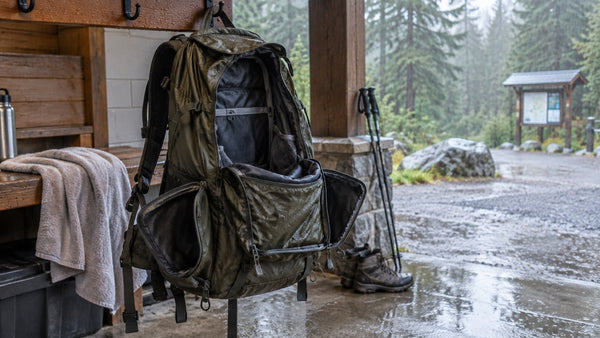
A range bag is a dedicated carrying system for everything that touches a shooting range — ammo, magazines, eye and ear protection, tools, targets, and first aid. Unlike a general-purpose duffel or a backpack, a range bag is built around the specific geometry of shooting accessories: magazine pouches, compartmentalized tool storage, and enough structure to protect fragile items like optics and glass.
The best range bags are designed with the shooter in mind — MOLLE webbing for modular attachment, reinforced bottoms to handle heavy loads, and enough internal volume to hold a full day's worth of gear without turning into an overstuffed suitcase.
The Real Problem: Gear Scattered Across Multiple Bags
Most shooters don't have a range bag problem — they have a gear organization problem. Eye pro in one place, ear pro in another, targets stuffed in a coat pocket, and loose rounds rattling around in the bottom of a gym bag. When you're at the range, you shouldn't be hunting for your stuff. You should know exactly where everything is.
- Lost or forgotten gear — missing eye protection means you can't shoot; missing hearing protection means you're hurting your ears
- Damaged equipment — loose ammunition and tools bouncing around in a soft bag damages optics and保養 tools
- Wasted time — every minute spent digging through a disorganized bag is a minute not spent shooting
- Inconsistent sessions — when gear moves between bags, you never know what you have until you're already at the range
Who Needs This?
- New shooters: Building good habits from day one means your first range trips are smooth and professional, not chaotic.
- Competitive shooters: Running drills requires reliable gear access — mag changes, reloading, and zeroing shouldn't require digging.
- Home defenders: Keeping a range bag pre-packed means you're ready for training days without advance prep.
- Long-range enthusiasts: Precision shooting requires a specific set of tools — bore snakes, precision screwdrivers, and targets need dedicated storage.
Step 1: Choose the Right Range Bag
Before you start loading gear, you need the right container. Range bags come in a few configurations:
Weapon-specific soft cases are designed to carry a rifle with minimal additional storage. They're not a range bag — they're a gun case. If you want one bag that does everything, look for a range-specific organizer bag with internal dividers, multiple pockets, and MOLLE webbing on the exterior.
Modular tactical duffels with MOLLE attachment points give you the flexibility to add pouches for specific sessions. A basic setup for casual range trips might be a single large compartment bag. A more advanced setup uses a modular system with dedicated mag pouches, tool loops, and a separate eye/ear protection case.
What to look for:
- Reinforced bottom panel (heavy ammo and brass catchers add up fast)
- Multiple internal compartments (not one big hole)
- External MOLLE or zippered pockets for fast-access items
- Padded shoulder straps or haul handles
- Durable zipper rated for outdoor use
Step 2: Hearing and Eye Protection
These two items are non-negotiable. If you show up without hearing protection, you're done — permanently damaging your hearing in exchange for a few rounds is not a trade anyone should make. Electronic hearing protection is worth the investment for anyone shooting more than once a month.
In the bag:
- Electronic ear muffs or in-ear electronic plugs
- Prescription shooting glasses (if applicable)
- Clear safety glasses for indoor or low-light ranges
- Spare batteries for electronic ear pro
Store ear and eye protection in a dedicated hard case or the bag's top-access pocket so you're not digging through the main compartment every time you need them.
Step 3: Ammunition and Magazine Management
How you manage ammunition at the range directly affects how efficiently you shoot. Loose rounds in a pocket get damaged, mixed up, or lost. A dedicated ammo management system keeps your rounds organized by type and caliber.
In the bag:
- Ammo cans or magazine pouches organized by caliber
- Pre-loaded magazines (don't show up planning to load at the bench — that's wasted range time)
- A BrassTrap Tactical Shell Catcher — spent casings don't scatter across the range, and you don't lose brass that could be reloaded
- Magazine marking bands — if you're shooting multiple calibers or running a multi-gun setup, color-code your magazines so you grab the right one without thinking
Magazine Loading Tip
If you're running an AR-15 or similar magazine-fed rifle, a QuickLoad Speed Loader makes loading magazines fast and consistent. Loading thirty rounds by hand is exhausting and leads to missed rounds or improperly seated ammunition. The speed loader seats rounds with a single press and eliminates thumb fatigue during long range sessions.
Step 4: Cleaning and Maintenance Tools
Every shooter should clean their rifle after a range session. That means carrying basic cleaning tools in your range bag — not leaving them at home where they do no good.
In the bag:
- Bore snake or cleaning rod with patches
- Bore solvent and CLP lubricant
- Microfiber patches and brushes
- A precision tool kit — the BattleGear 132-in-1 Screwdriver Set handles everything from AR-15 pins to optic adjustment screws
- Ziplock bags for separating cleaned parts during transport
If you're zeroing optics or making sight adjustments at the range, that same screwdriver set handles the small adjustments that zeroing requires. Don't be the person at the range trying to use a pocket knife on a set screw.
Step 5: Targets and Target Management
Targets are the point of the whole exercise. Show up with enough for the session, plus extras — you always find something you want to work on once you're on the range.
In the bag:
- Paper targets (various sizes — 25-yard zero targets, torso-size for drills, small targets for precision work)
- Target paste or chalk for marking hits without destroying the target
- Painter's tape (for attaching targets to backers, easy removal)
- Stakes and string for hanging targets at distance
- Shot marker or pencil for annotating shot groups
Organize targets flat in the bag's outer pocket — don't stuff them in where they'll get crumpled.
Step 6: Zeroing and Bore Sighting Tools
Before you shoot a group, you want to be on paper. Bore sighting gets you on target before you burn expensive ammunition on zeroing shots.
In the bag:
- A ZeroPoint Laser Boresighter Kit — drop it in the chamber, align your optic, and you're within a few MOA before you fire a single round
- Torx or hex key set for optic mounting
- Level (for mounting optics on rifles with canted rails)
Bore sighting is especially valuable at indoor ranges or when you're testing a new rifle build — it cuts the zeroing process down dramatically.
Step 7: First Aid and Safety
Every range bag should carry a basic first aid kit. The range is one of the most common places for minor injuries — hot brass burns, knife slips during cable adjustments, pinch points during magazine changes.
In the bag:
- Compact IFAK with tourniquet, pressure bandage, and chest seal
- Burn gel for minor brass burns
- Adhesive bandages and gauze
- Antiseptic wipes
- Pair of nitrile gloves
If you're running steel targets or shooting at an outdoor range, keep a cell phone on you — in the rare event something serious happens, you're the first responder until help arrives.
Step 8: The Extras That Make a Difference
- Timer or shot timer app — if you're training for speed or competition, a shot timer is essential
- Notebook and pen — logging your load data, zero distance, and shot groups builds a reference library for your rifle
- Ratchet straps or bungees — for securing targets at distance or tying down gear in the bag
- Hand warmers — for cold weather range sessions
- Cleaning mat — a fold-out mat keeps your rifle parts organized and off the ground during cleaning
- Water bottle — hydration matters, especially at outdoor ranges in summer heat
Building Your Bag: Quick Checklist
- Range bag with MOLLE compatibility
- Electronic hearing protection + spare batteries
- Shooting glasses (clear + tinted)
- Pre-loaded magazines (2-4 depending on platform)
- BrassTrap Shell Catcher
- QuickLoad Speed Loader
- BattleGear 132-in-1 Screwdriver Set
- ZeroPoint Laser Boresighter Kit
- Bore snake + cleaning solvent + patches
- Targets + tape + chalk
- Compact first aid kit
- Water + snacks
- Shot timer or phone app
- Notebook and pen
Maintaining Your Range Bag
A range bag is only as good as what's in it. Once a month, do a quick audit:
- Check batteries in electronic ear pro
- Inspect magazines for wear and cracks
- Restock expended consumables (patches, targets, batteries)
- Clean out spent shell casings from the BrassTrap
- Wipe down the bag interior — moisture from sweat or water bottles can corrode tools
A range bag that gets checked before every trip is a range bag that never lets you down. Show up ready, shoot more, and go home knowing your gear is in order.
Frequently Asked Questions
How heavy should a range bag be?
A range bag should be heavy enough to carry what you need but light enough that you're not exhausted before you start shooting. The 20% body weight rule applies — if your loaded bag weighs more than 20% of your body weight, you're overloading. For most shooters, a fully loaded range bag runs 15-25 lbs.
Should I clean my rifle at the range or at home?
Basic field cleaning — wiping down the bolt carrier, running a patch through the bore — can be done at the range. Full disassembly and detailed cleaning is better done at a workbench at home where you have good lighting and a cleaning mat. Carry enough cleaning supplies in your range bag for field cleaning, and save the deep clean for the workshop.
Do I need a shell catcher?
If you shoot at an indoor range, yes — most indoor ranges require it. For outdoor ranges, a shell catcher keeps your brass in one place instead of scattering it across the ground. Brass can be picked up and reloaded, and a BrassTrap Shell Catcher makes that collection easy. It's one of the most practical accessories you can add to any AR-15 setup.
Related Gear and Guides
- The AR-15 Accessories Guide — Everything That Goes on Your Rifle
- Shop Tactical Accessories
- BrassTrap Tactical Shell Catcher
- ZeroPoint Laser Boresighter Kit
20% off Range Gear and Accessories
Use code EDGE20 at checkout · Free U.S. shipping
Shop Range GearWas this dispatch helpful?
Thanks for the feedback.

BattleGear™ 132-in-1 Precision Screwdriver Set - Tactical Repair Tool Kit with Magnetic Bits
132 Bits. One Tool. Zero Excuses When Your Gear Needs Fixing. When you're out in the field, at the range, or handlin...