
How to Build the Ultimate Range Bag: Gear List for Every Shooter
Stop showing up to the range unprepared. Here's exactly what goes in a range bag that actually works — category by category.

In This Dispatch
You show up to the range. You forgot your magazine pouch. Your cleaning kit is at home. You spent twenty minutes borrowing other people's patches and wondering why you bothered driving out here in the first place. A range bag that's actually built for the shooting life fixes all of that — but only if you build it right.
Why a Dedicated Range Bag Matters
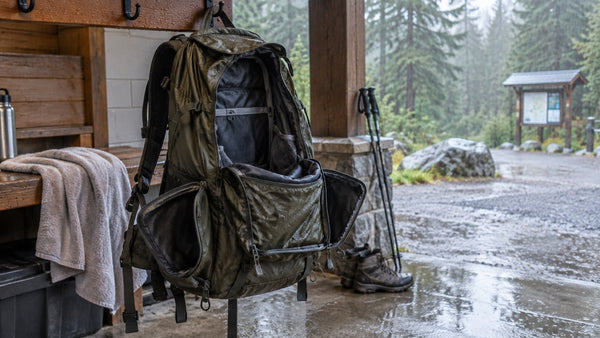
You could throw your gear into any backpack. You could use a cardboard box. You could borrow a buddy's stuff every time. But a purpose-built range bag solves three problems that generic carry solutions never will: organization, protection, and readiness. When everything has a pocket, you grab and go. When your gear is protected in a padded compartment, your optics and tools survive the drive. When your bag is stocked before you walk out the door, you spend your range time shooting — not scavenging.
This guide walks you through every category you need to stock. By the time you're done, your range bag will be the most reliable piece of gear you own.
Eye & Ear Protection: Non-Negotiable First
Start here because this is literally the only gear that keeps you functional for the next fifty years. Electronic ear pro that amplifies conversation but shuts down on every shot is the standard — passive muffs are fine for the static range but a liability at any dynamic or competitive event where you need to hear range commands.
For eye protection, ANSI Z87.1+ rated glasses are the minimum. The wraparound style prevents any gap between the frame and your temple. If you run a red dot, you're already trusting your vision to an optical system — don't compromise the physical protection part.
- Electronic ear muffs — amplify speech, suppress gunfire. Invest here.
- ANSI Z87.1+ glasses — impact-rated, anti-fog, peripheral coverage
- Second pair of ear plugs — backup if batteries die or you loan yours out
- Glasses hard case — prevents scratches in transit
Ammunition & Magazine Management
Bring more than you think you need. The range has a way of making you more accurate, which means you'll shoot more than planned. And if you're running an AR-15 platform, magazine management is where most shooters lose time and focus.
Ammo-ID tactical label bands are one of the most underrated additions to any range bag setup. Color-code your calibers so a 5.56 mag never meets a .300 BLK chamber — a catastrophic mistake that's entirely preventable with thirty seconds of labeling. Keep a set in the bag and label every magazine before your next range trip.
Spare magazines are non-negotiable. The minimum is two, more if your platform allows. Keep them in retention-style pouches on the bag's MOLLE webbing for fast access during reload drills.
- Range ammo — bring 20% more than your planned session
- Ammo-ID tactical label set — color-code your calibers, prevent chamber disasters
- Spare magazines — minimum two, more if your platform allows
- Magazine pouches — retention-style on MOLLE, easy access during reload drills
Sighting & Bore Tools
Before you send a single round downrange, you need to confirm your rifle is hitting where you're aiming. Bore sighting is the fastest way to get on paper, and it's where most shooters skip steps that cost them an hour of wasted ammo later.
Zero your optic with confidence before you burn a single round of live ammunition. Bore sighters project a laser reference onto your target so you can confirm alignment in seconds. Check out our full guide on how to zero a red dot sight for the complete process from bore sight to confirmed zero.
- Bore sighter or laser boresighter — confirms alignment before live fire
- Torque wrench — scope and accessory mounts need consistent torque specs
- Bubble level — ensures your optic rail is level before you zero
- Allen key set — for QD mount adjustments and rail accessories
Tools & Maintenance
Every rifle needs attention between strings of fire and after the range session. Carbon buildup on the bolt, copper fouling in the bore, and debris in the chamber all affect reliability. The difference between a rifle that runs and one that malfunctions is often thirty seconds of cleaning between mag changes.
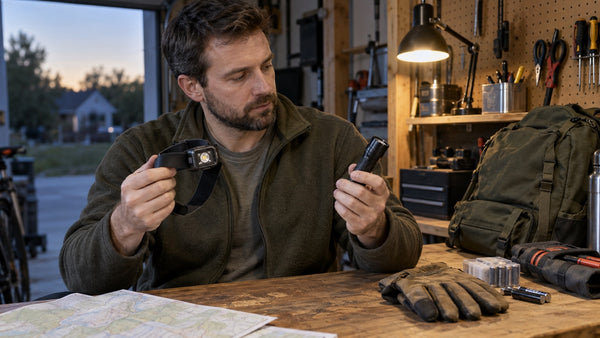
The BattleGear 132-in-1 Precision Screwdriver Set covers more ground than any other tool in your bag. It handles the takedown pins on AR-15 lowers, the optics mounting screws on any rail, the maintenance screws on your red dot, and the fine adjustments on iron sight apertures. The magnetic holder keeps bits from scattering, and the chrome vanadium construction holds up to repeated use under torqued fasteners. One set lives in every range bag we build — it's that essential.
- BattleGear 132-in-1 Precision Screwdriver Set — every fastener size you'll encounter at the range
- Bore snake or cleaning rod — quick bore clean between strings
- CLP lubricant — small bottle, handles lubrication and corrosion protection
- Patches and brushes — patch jag, bronze brush for carbon, nylon brush for copper
- Microfiber cloths — optic lenses, firearm finishes, oily fingerprints
- Ziplock bags — separate clean and dirty parts, contain small hardware
Targets & Training Aids
The range is where you get better. Targets give you feedback — no target means no data. Bring a variety. Static bullseyes for zeroing, reactive targets for accountability, and hostage-style targets for practical pistol drills.
- Paper targets — multiple types: zero target, hostage qualifier, dueling tree
- Target stands or clips — spring steel clips are fast to swap
- Shot markers — chalk pens to mark hits after the fact
- Timer — smartphone app works, dedicated shot timer is better
- Sticky notes — quick splatter plates for dry fire practice at home
First Aid & Safety
This is the category most shooters skip because it feels paranoid until you need it. A range is a controlled environment, but things break, fingers get pinched, and hot brass finds the gap in your collar. You don't need a full IFAK — but you need the basics.
- CAT Tourniquet (Gen 7) — one-handed application, windlass design, military-proven
- Israeli bandage — pressure dressing for lacerations
- Triple antibiotic packets — for burns and cuts from hot metal or brass
- Ice pack (instant) — swelling from impact or repetitive recoil
- Medical gloves — nitrile, two pairs minimum
- Shears — trim clothing away from injuries fast
Comfort & Extras
The range is cold in the morning, hot by noon, and boring if you're waiting for someone to finish their string. These items don't win competitions but they make the day more tolerable.
- Sunscreen and lip balm — outdoor ranges have no shade
- Insect repellent — summer ranges, ground-shooting stages
- Hydration — water bottle or hydration pack, do not skip this
- Chair or pad — benchless bays demand something to sit on
- Rear bag — sandbag or commercial rear bag for rifle stability
- Ear pro lanyard — keeps electronic muffs around your neck between shots
- Notepad and pen — log POI shifts, record loads, note malfunctions
3 Reasons to Build This Bag Today
1. You'll shoot more and fumble less.
A stocked range bag means every trip is a training session. You grab the bag, drive to the range, and go. No borrowing, no improvising, no early departure because you forgot something critical.
2. Your gear will last longer.
A dedicated bag with padded compartments protects optics, tools, and magazines from impact and weather. Tossing loose gear into a gym bag is how $400 optics get scratched and $200 magazines get dented feed lips.
3. You'll be ready for anything.
The rifle malfunctions you can't clear without tools, the round counts that exceed your expectations, the unexpected cold front — a built range bag handles all of it. The shooters who look most competent on the range are usually just the ones who showed up prepared.
Frequently Asked Questions
How heavy should a range bag be?
A loaded range bag typically weighs 15-25 pounds. If you're approaching 30 pounds, you've overpacked — cut consumables (ammo, water) to what's actually needed for your session. The bag should be comfortable to carry from your vehicle to the firing line without a cart.
Should I use a hard case or soft bag for my range gear?
Soft bags with MOLLE compatibility are the standard for most shooters — they absorb impact, pack into vehicles more easily, and let you attach pouches externally for fast access. Hard cases are better for long-distance transport or air travel. For weekly range use, a well-structured soft bag wins.
What's the most overlooked item in a range bag?
Medical supplies. Most shooters have nothing beyond a bandaid. A CAT tourniquet and pressure dressing take up less space than a magazine pouch but could be the difference between a minor range injury and a serious problem. Add the basics — the rest of the bag is useless if you can't function.
How often should I restock my range bag?
After every range trip. Remove spent casings, top off ammunition, check consumables (patches, CLP, batteries in ear pro), and inspect tools for damage. A five-minute post-trip routine means your bag is always ready when you are.
Related Gear & Guides
- How to Zero a Red Dot Sight
- How to Clean an AR-15: Complete Guide
- Shop Tactical Accessories
- Shop Range Bags
20% off range gear & accessories
Use code EDGE20 at checkout · Free U.S. shipping
Shop Range & Shooting GearWas this dispatch helpful?
Thanks for the feedback.

BattleGear™ 132-in-1 Precision Screwdriver Set - Tactical Repair Tool Kit with Magnetic Bits
132 Bits. One Tool. Zero Excuses When Your Gear Needs Fixing. When you're out in the field, at the range, or handlin...