
Keep the Contents of Your Backpack Dry: A Layered Packing Plan
A practical way to protect the contents of a backpack from normal rain by layering a liner, dry bags and thoughtful access.

In This Dispatch
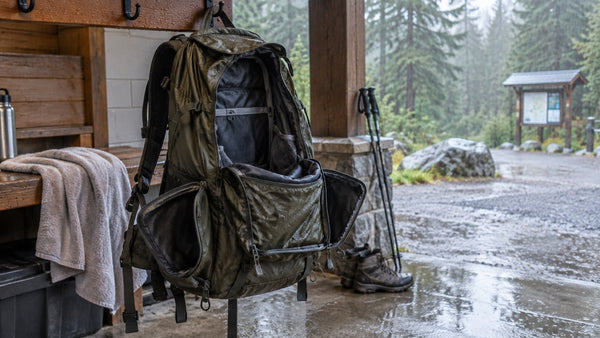
Rain does not have to end a day outside, but it can turn a loosely packed backpack into a problem. The useful goal is not to make broad waterproof promises about a bag. It is to build a simple system that gives the items inside more than one layer of protection from normal rain.
Start with the gear that would cause the biggest interruption if it got wet: a phone, map, spare clothing, insulation, matches or other small essentials. Then decide how you will protect those items before you start filling the main compartment. A rain cover can help with exposure from above, but seams, openings and the moments when you open the bag still deserve a plan.
Make a short list of what must stay dry
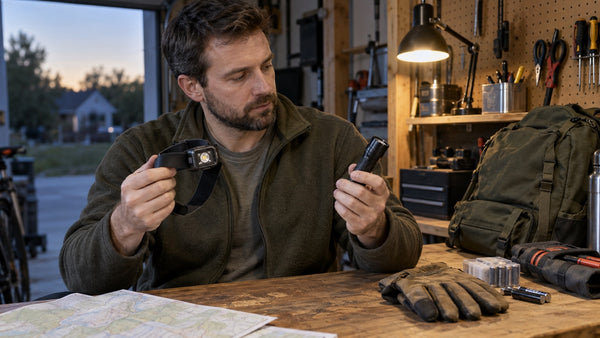
Not every item needs the same level of protection. Put the most vulnerable gear in a small group first. Paper maps and permits, a phone, a headlamp, spare batteries and a dry layer are common examples. The exact list changes with the trip, weather and distance from shelter.
This first step keeps the rest of the pack from becoming an all-or-nothing exercise. If a water bottle sweats or a damp shell goes back into the bag, the essentials can still have their own dry space.
Use a liner as the main barrier
A pack liner sits inside the main compartment and creates a broad inner layer. It is useful because it protects the contents even when water reaches the outside of the backpack. Choose a liner that fits the bag without making access needlessly difficult, and close it before you cinch down the pack.
A liner and a rain cover do different jobs. The cover is an outer layer for rain and trail spray. The liner is the inner layer that protects the packed contents. Using both can be practical in steady rain, but neither removes the need to keep the bag closed when it is not in use.
Give critical gear its own dry bag
Dry bags add a second layer where it matters most. One can hold a dry base layer and socks; another can hold a sleep layer or a compact electronics kit. Separate bags also make it easier to find what you need without dumping the whole backpack into the rain.
Use a consistent system. You might choose one pouch for clothing, one for small electronics and one for documents. The colors and sizes are less important than knowing what is inside before you open them. If you use a waterproof case or pouch for an electronic item, check its closure and intended use instead of assuming every zip pouch is fully waterproof.
Plan access so the system stays closed
Frequently used items should be easy to reach without opening the protected core of the pack. A rain shell, snack, map case or water treatment item may belong in an outer pocket or at the top of the load, depending on the bag and the conditions. Keep the dry bags and liner deeper inside.
That separation also helps when the weather changes quickly. You can grab a layer or navigation item, close the pack and keep moving without exposing the clothes and gear you are trying to protect.
Do a quick water-path check after a rainy trip
The first wet outing is useful feedback. At home or under cover, look for damp spots near zippers, side pockets and the bottom of the bag. Check whether the liner stayed closed and whether the dry bags were easy to reach. Make one adjustment at a time so you know what improved the setup.
If water has already made its way into the backpack, let the bag and its contents dry fully before storage. Our guide on how to dry a wet backpack covers the practical aftercare steps.
A simple layered packing plan
- Put the items that cannot get wet in the center of the plan.
- Use a liner as the main inner barrier for the backpack.
- Use separate dry bags or cases for the most vulnerable groups of gear.
- Keep often-used items where you can reach them without opening the protected core.
- Check the system after rain and let all gear dry before storage.
Layering protection is easier to manage than relying on one piece of gear to do everything. Once the system is familiar, packing for a rainy day takes only a few extra minutes and gives you a clearer idea of where the important items are when conditions change.
Sources: REI’s guide to backpacking in the rain; National Park Service: The Ten Essentials.
From Our Shop
Build a pack setup that keeps essentials organized and easy to reach when the weather changes.
Explore backpacks and rucks →Was this dispatch helpful?
Thanks for the feedback.

BattleGear™ 132-in-1 Precision Screwdriver Set - Tactical Repair Tool Kit with Magnetic Bits
132 Bits. One Tool. Zero Excuses When Your Gear Needs Fixing. When you're out in the field, at the range, or handlin...